Introduction
The modern kitchen has undergone a quiet revolution over the past decade. Where once a home cook might rely on separate appliances—a pressure cooker here, a slow cooker there, a sauté pan in between—today’s cooking enthusiasts often turn to multi-function devices that promise to consolidate these tasks into a single piece of equipment.
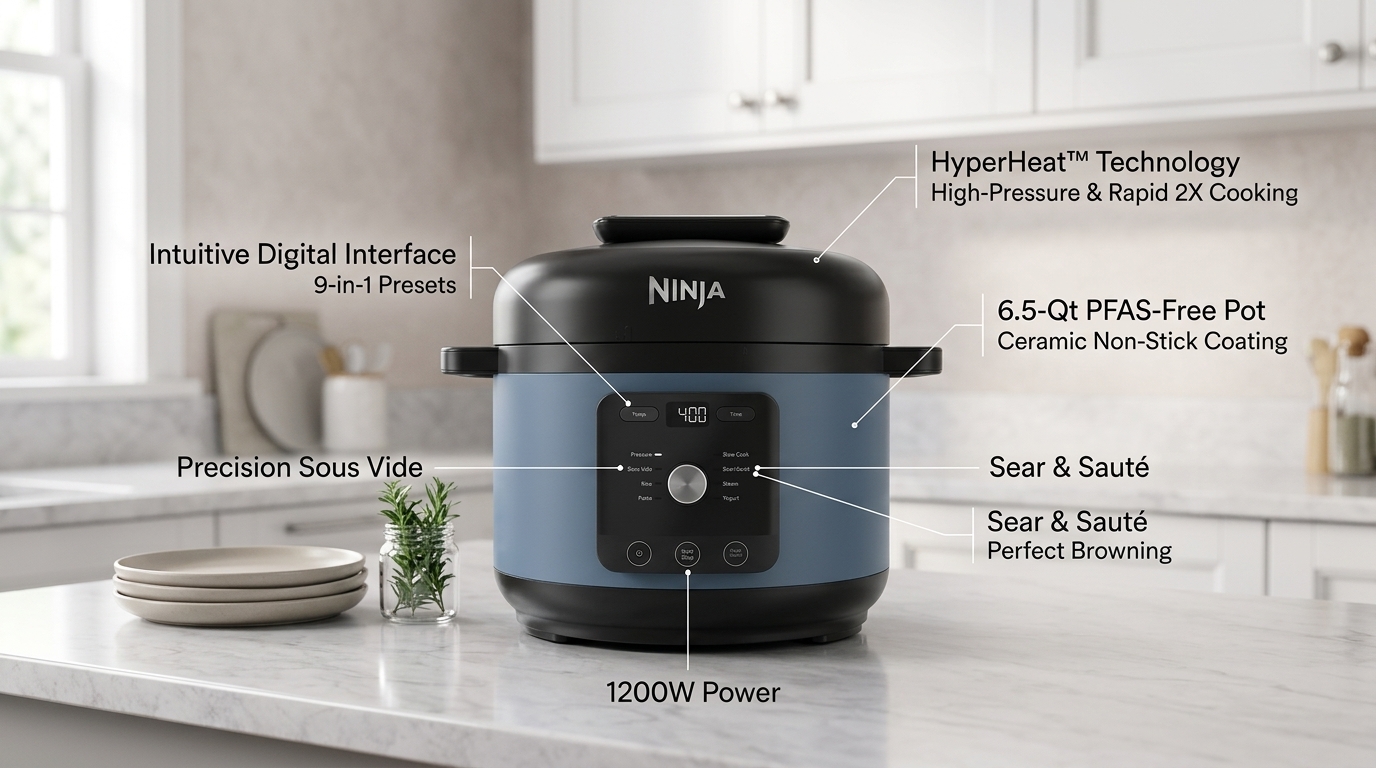
The Ninja HyperHeat 9-in-1 Pressure Cooker (model PC201) represents one approach to addressing this consolidation. With its 6.5-quart capacity and multiple cooking functions, it’s designed to handle various cooking methods under one lid. Understanding what this appliance can and cannot do is essential for anyone considering whether such a device aligns with their cooking style and kitchen needs.
This article explores the features, capabilities, and practical applications of this multi-function pressure cooker, offering insight into how it might fit into different cooking scenarios and what realistic expectations should accompany such a purchase.
What Makes Multi-Function Pressure Cookers Different
Before diving into specifics about any single model, it’s worth understanding the broader category. Traditional pressure cookers have been around for decades—they work by trapping steam to increase internal pressure, which raises the boiling point of water and speeds up cooking. This method has long been valued for reducing cooking times, particularly for tougher cuts of meat or dried legumes.
Modern multi-function pressure cookers expand on this foundation by incorporating additional cooking methods into the same vessel. The ability to switch between pressure cooking, slow cooking, sautéing, steaming, and other functions means that a single appliance can theoretically handle numerous recipes without requiring you to transfer food between pots or use multiple devices.
Key Features and Specifications
Capacity and Physical Design
The 6.5-quart capacity represents a mid-to-large size for pressure cookers. For context, this volume is suitable for preparing meals for a family of 4-6 people, with room for sides or enough quantity to generate leftovers. The specific color option mentioned—Blue Macaron—is primarily an aesthetic consideration, though color can matter when the appliance sits on a countertop.
The PFAS-free pot specification warrants attention. PFAS (per- and polyfluoroalkyl substances) are synthetic chemicals used in many non-stick coatings. Growing concerns about these substances in cookware have led manufacturers to develop alternatives. A PFAS-free pot means the cooking surface uses a different technology for its non-stick properties, which some consumers consider an important health consideration.
Power and Heating
The 1200-watt power rating indicates the electrical draw of the heating element. This wattage is relatively standard for electric pressure cookers and relates to how quickly the appliance can heat and maintain cooking temperatures. Higher wattage generally correlates with faster preheating, though actual cooking speed depends on multiple factors including the volume of food, initial temperature, and the specific cooking function selected.
Cooking Functions
The “9-in-1” designation refers to multiple cooking modes. Based on the product description, these include:
Pressure Cooking: The foundational function, using steam pressure to cook food rapidly. The claim of cooking “2X faster” refers to this mode compared to traditional stovetop cooking methods.
Searing and Sautéing: The ability to brown food directly in the pot before pressure cooking, which develops flavor through the Maillard reaction. This eliminates the need to transfer ingredients to a separate pan.
Slow Cooking: Operating at low temperatures over extended periods, useful for braising or allowing flavors to meld gradually.
Steaming: Using water vapor without pressure to cook delicate foods or reheat dishes.
Sous Vide: A precision cooking method where food is vacuum-sealed and cooked in a precisely controlled water bath. Including this function represents a relatively recent trend in multi-function cookers.
The remaining function categories typically include additional modes such as rice cookers, sterilizing, or egg cooking functions, depending on the specific model programming.
Understanding Pressure Cooking Performance
The appeal of pressure cooking centers on its speed. By increasing atmospheric pressure inside the sealed pot, water boils at a higher temperature—approximately 250°F at maximum pressure compared to 212°F at sea level. This higher temperature accelerates chemical reactions and heat transfer, reducing cooking times substantially.
The “2X faster” claim appearing in the product description likely refers to pressure cooking mode compared to traditional stovetop or oven cooking. A pot roast that might take 2-3 hours in a conventional oven could reduce to 45 minutes to an hour under pressure. Dried beans that require overnight soaking and 1-2 hours of cooking can often be prepared in 20-30 minutes without pre-soaking.
However, this comparison requires context. The actual time savings depend on what you’re cooking—delicate items like fish or thin vegetables don’t gain as much advantage from pressure cooking, while tough cuts of meat or dried legumes see the most dramatic reductions. Additionally, the preheating time (bringing the pot to pressure) must be factored into total cooking time, though this typically adds only 5-15 minutes.
Practical Applications and Everyday Cooking
Weeknight Meal Preparation
For busy weeknight cooking, the sauté function followed by pressure cooking can streamline preparation. You might sauté onions and garlic, add meat to brown it, then add broth and vegetables before pressurizing. The entire process from start to plate could be 30-40 minutes for dishes like stews or braises.
The slow cook function offers a different approach for planning. If you’re willing to add ingredients in the morning, slow cooking for 6-8 hours can have a meal nearly ready when you return home, with final preparation steps minimized.
Batch Cooking and Meal Prep
The 6.5-quart capacity makes this appliance practical for batch cooking. You could prepare a large pot of chili, soup, or stew that yields multiple portions, dividing it into containers for future meals. This approach leverages the cooking speed of pressure cooking to produce several servings in one session.
Cooking Dried Beans and Legumes
Without pressure cooking, dried beans require planning ahead—usually an overnight soak followed by 1-2 hours of cooking. With this method, beans can be cooked from dry (with brief soaking in some cases) in 20-30 minutes. For cuisines that rely heavily on legumes or for anyone preferring dried beans to canned, this represents a genuine advantage.
Rice and Grains
Many multi-function cookers include dedicated rice and grain functions. While a standard rice cooker requires less learning, a multi-function device allows you to cook rice after preparing another component without managing multiple appliances.
Steaming and Sous Vide Applications
The steaming function works well for vegetables, dumplings, or fish that benefit from gentle, moist heat. The sous vide capability appeals to those interested in precision cooking, though it requires vacuum-seal bags or water-tight containers and adds time for setup and water preheating.
Size and Counter/Storage Considerations
A 6.5-quart electric pressure cooker is not a compact appliance. Most models measure roughly 15-16 inches in diameter and 10-12 inches in height. This size requires dedicated counter space or accessible cabinet storage, which may influence decisions for those with limited kitchen space.
The weight—typically 15-20 pounds—means it’s portable enough to move for cleaning or seasonal storage but not something you’d frequently relocate. Considering dedicated placement when possible prevents repeatedly lifting it on and off shelves.
Who Might Benefit from This Appliance
Home Cooks Seeking Efficiency
People who cook regularly and want to reduce time spent on meal preparation are natural candidates. If you currently spend 2-3 hours on Sunday meal prep, pressure cooking could meaningfully reduce this while producing similarly sized batches.
Those Cooking for Groups
Families of 5+ or anyone regularly cooking for gatherings benefit from the larger capacity. Cooking larger quantities at once is often more efficient than multiple smaller batches.
Adventurous Cooks Willing to Experiment
Multi-function appliances have learning curves. Those comfortable reading manuals, experimenting with settings, and troubleshooting different recipes will likely appreciate having multiple functions available. Others might find the options overwhelming.
People Managing Specific Diets
Those requiring tender, well-cooked meats for texture or digestibility, or those cooking foods requiring precise temperature control, might find particular functions valuable.
Important Considerations Before Deciding
Learning Curve and Manual Requirements
While marketing materials emphasize ease of use, pressure cookers do require understanding their operating principles. Unlike a conventional oven where you simply set temperature, pressure cooking involves understanding pressure levels, natural release versus quick release, and how these variables affect different foods. Initial recipes often require consultation with guidance materials or tested recipes rather than improvisation.
Maintenance and Care
The PFAS-free pot and other components require specific care. Non-stick surfaces need gentle washing and aren’t suitable for abrasive scrubbing. The sealing ring requires regular inspection and occasional replacement. The vent pipe needs periodic cleaning to ensure it remains clear. While none of these tasks are particularly demanding, they do require awareness and maintenance beyond that of a basic pot.
Realistic Expectations About Versatility
While called “9-in-1,” this doesn’t mean the device excels at all nine functions equally. It’s genuinely excellent at pressure cooking and quite good at sautéing and slow cooking. The sous vide function works but typically takes longer than dedicated sous vide equipment. Rice cooking works adequately, though dedicated rice cookers might produce superior results. Realistic expectations about which functions you’ll actually use frequently prevents disappointment.
Space Requirements
The counter space or storage space required is non-trivial. Before deciding, honestly assess whether you have appropriate placement for this appliance.
Initial and Replacement Costs
Beyond the initial purchase, replacement parts—particularly sealing rings—represent an ongoing cost over time. These are typically inexpensive ($10-20 per ring) but should be factored into total cost of ownership, especially if the appliance is used frequently.
Comparing Cooking Methods and Appliances
Pressure Cooking Versus Traditional Methods
Pressure cooking consistently reduces cooking time for items like tough cuts of meat or dried legumes. However, it produces different results than slow braising—while fast enough, you miss some of the Maillard reaction depth that develops during longer cooking unless you sear ingredients beforehand. For anyone preferring traditional braise flavor, the extra browning step is important.
Multi-Function Cookers Versus Single-Purpose Appliances
A dedicated pressure cooker, slow cooker, and sauté pan collectively offer more specialized functionality than any multi-function device. However, this requires more counter space, more storage space, and the discipline to pull out and clean multiple appliances. Most people sacrifice some depth of function for the convenience of having options in a single device.
For those in smaller kitchens or with limited storage, consolidation into one appliance genuinely matters. For those with substantial kitchen space and high-volume cooking needs, dedicated single-purpose appliances might still be preferable.
Electric Versus Stovetop Pressure Cookers
Stovetop pressure cookers heat more quickly and have a longer track record, but they require active monitoring and careful attention to heat levels. Electric models like this one offer “set it and forget it” convenience, particularly valuable for unfamiliar recipes or when you’re uncertain about technique.
Frequently Asked Questions
How much faster does pressure cooking actually make meal preparation?
Cooking itself is typically 40-60% faster under pressure, but total time includes preheating (5-15 minutes), cooking, and natural pressure release if required (10-30 minutes depending on the recipe). Total time reduction is usually 30-50% compared to conventional methods, not the dramatic speedups sometimes suggested in marketing.
Is pressure cooking safe for home use?
Modern pressure cookers include multiple safety features—pressure regulators, vent pipes, locking lids, and pressure release mechanisms. When used according to manufacturer instructions, pressure cooking is safe. Older stovetop models had more accidents because of less refined safety features, but contemporary electric models are substantially safer.
Can you actually cook vegetables in a pressure cooker without them becoming mushy?
Yes, but timing matters significantly. Delicate vegetables often need only 1-3 minutes under pressure. Adding vegetables toward the end of cooking helps prevent overcooking. The quick-release function allows you to immediately stop cooking rather than waiting for natural pressure release.
Is the sous vide function as good as dedicated sous vide equipment?
It works similarly in principle but typically requires you to remove the sous vide insert and proceed manually rather than having fully automated temperature control. For someone interested in learning whether they enjoy precision cooking without investing in specialized equipment, it’s a reasonable way to experiment. For serious precision cooking, dedicated equipment usually offers more consistent results.
What’s the learning curve for using this type of appliance?
First-time users typically need 2-3 recipes before feeling comfortable with the basics—understanding pressure levels, release methods, and how to adjust timing. Most people reach competence within a week of regular use. Mastering different recipes and understanding how to adapt conventional recipes takes longer, perhaps a few months of regular cooking.
How often do sealing rings need replacement?
Quality sealing rings typically last 2-3 years with regular use, though some sources suggest replacement after 1-2 years if the cooker is used several times weekly. You’ll know it’s time when you notice pressure isn’t building properly or you hear hissing around the lid. They’re inexpensive to replace, usually $10-20.
Is it worth buying if I already have other cooking appliances?
If you already own a slow cooker, pressure cooker, and multiple pans, this consolidates those into one appliance, freeing up space and simplifying cleanup. Whether that consolidation justifies an additional purchase depends on your specific situation—if space is tight, it’s likely valuable; if you have abundant kitchen infrastructure already optimized for different cooking methods, the addition might be less necessary.
Can you cook from frozen ingredients?
Some foods can transition directly from freezer to pressure cooker, though cooking times may increase. Smaller items like vegetables usually cook fine. Larger frozen pieces (whole chicken breasts, large meat cuts) typically benefit from thawing first. Always reference tested recipes for frozen cooking to ensure food safety and quality.
Practical Setup and First Use
For anyone considering this appliance, understanding the initial setup period helps set realistic expectations. Most owners spend their first week acquainting themselves with the manual, trying 2-3 simple recipes (often provided in the manual), and understanding how their specific model behaves.
Common first recipes often include: pot roast, chicken soup, dried beans, or white rice. These represent the most forgiving starting points and help develop intuition about timing and pressure release before attempting more complex recipes.
Reading the manual completely rather than skimming it prevents frustration later. Different brands handle pressure release, safety features, and function options differently, so generic pressure cooker knowledge doesn’t perfectly transfer between brands.
Maintenance Perspective
The non-stick pot and its care matter for longevity. Specifically, using soft sponges rather than abrasive scrubbers helps preserve the coating over time. The sealing ring should be removed and cleaned after use to prevent food residue buildup that could compromise the seal.
Most users report that with proper care, these appliances perform reliably for many years of frequent use. Neglect of maintenance—ignoring cleaning requirements or ignoring a deteriorating seal—usually results in deteriorating performance before actual mechanical failure.
Understanding Your Actual Use Case
The difference between an appliance that sits unused and one that becomes integrated into regular cooking often comes down to realistic assessment of your habits. Will you actually pressure cook or slow cook multiple times weekly? Or will this sit on the counter as an occasional solution for specific recipes?
For people who cook frequently and actively enjoy trying new recipes, multi-function pressure cookers typically see regular use. For those who cook occasionally or stick to a narrow rotation of familiar recipes, the additional functions may not justify the counter space or cost.
Conclusion
The Ninja HyperHeat 9-in-1 Pressure Cooker represents a thoughtful approach to consolidating multiple cooking methods into a single, reasonably sized appliance. The 6.5-quart capacity works well for family-sized meals or batch cooking, the PFAS-free pot addresses health-conscious considerations, and the multiple functions genuinely do expand cooking possibilities beyond basic pressure cooking alone.
Whether this particular appliance makes sense depends on individual circumstances: available kitchen space, cooking frequency, willingness to learn new techniques, and budget for both the initial purchase and ongoing maintenance. For someone actively looking to speed up meal preparation, consolidate kitchen appliances, or expand their cooking methods, it offers legitimate practical advantages.
The reality of pressure cooking—that it genuinely does cook quickly, that it produces good results with proper technique, and that it has a learning curve—remains consistent whether you’re considering this model or any other. The multi-function aspects add flexibility for different cooking situations without being equally proficient at all tasks.
Taking time to honestly assess your kitchen setup, cooking patterns, and specific cooking goals helps determine whether this appliance aligns with your needs. If quick weeknight cooking, batch meal preparation, and cooking dried legumes are genuine priorities, the functions offered here do address those needs effectively.