Introduction
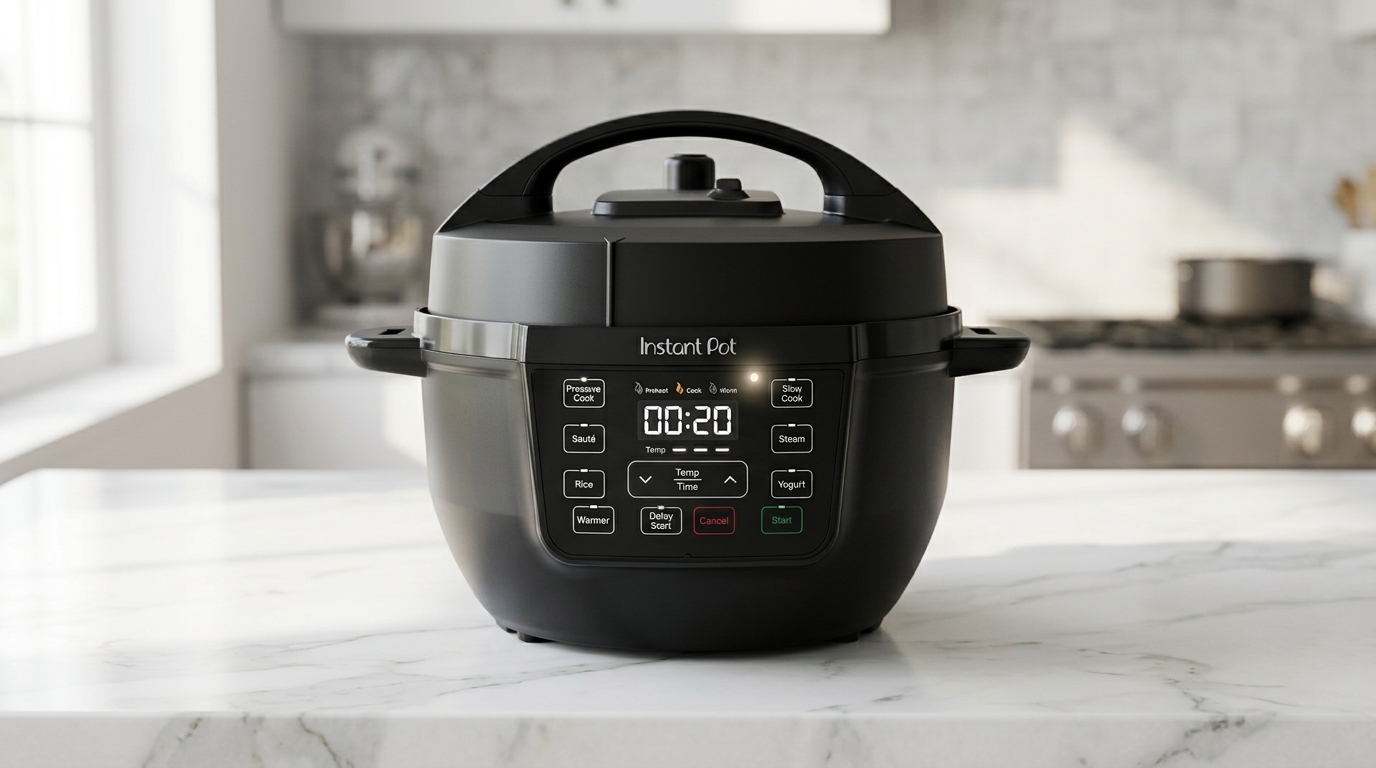
The kitchen appliance landscape has transformed considerably over the past decade, with multi-functional cooking devices becoming central to how many people approach meal preparation. The Instant Pot 4QT RIO Mini represents one such device that brings together multiple cooking methods into a single unit. Whether you’re curious about pressure cooking, exploring slow cooking options, or simply looking to understand what a modern multi-cooker can accomplish, this guide provides practical information to help you understand what this appliance does and how it might fit into different cooking situations.
The RIO Mini model, with its 4-quart capacity, occupies an interesting middle ground in the multi-cooker market. It’s substantial enough to handle meal preparation for families or batch cooking projects, yet compact enough to fit on most kitchen countertops without monopolizing space. Understanding its capabilities, limitations, and practical applications can help you make an informed decision about whether this type of appliance aligns with your cooking needs and lifestyle.
Key Features and Functionality
Seven Cooking Methods in One Appliance
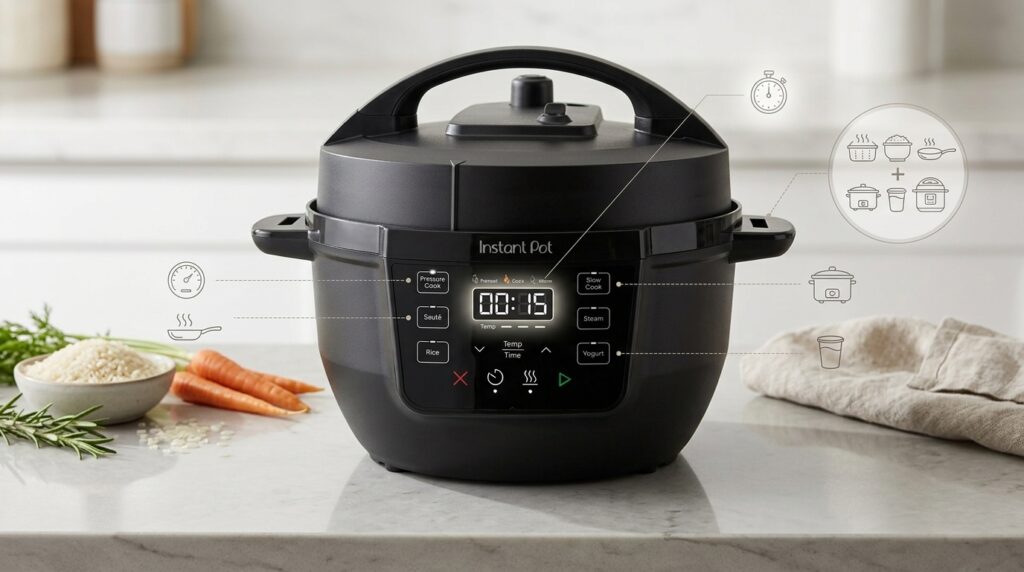
The defining characteristic of this model is its combination of seven different cooking functions. Each method serves distinct purposes and works through different mechanical and thermal principles. Rather than viewing these as seven separate appliances, it’s more helpful to think of them as seven different approaches to heat management and food preparation.
Pressure cooking operates by trapping steam inside the sealed vessel, which raises the boiling point of water and cooks food more quickly than traditional methods. This function typically reduces cooking time by approximately 30 percent compared to conventional stovetop cooking for similar dishes.
Slow cooking functions similarly to traditional slow cookers, applying low, consistent heat over extended periods. This method is particularly suited for tenderizing tougher cuts of meat and developing complex flavors through extended cooking times.
Sautéing allows you to brown ingredients directly in the cooking pot before other cooking methods commence. This feature eliminates the need for separate pans during initial preparation steps and helps build flavor foundations through the browning process known as the Maillard reaction.
Steaming uses hot steam to cook food gently without direct contact with boiling water. This method is frequently used for vegetables, fish, and other delicate foods where you want to preserve texture and nutritional content.
Rice cooking is a dedicated function that manages the specific heat and moisture requirements that rice preparation demands. Different rice varieties require different liquid ratios and cooking times, and this function attempts to standardize that process.
Yogurt making maintains precise temperature control necessary for culturing yogurt. This function keeps the mixture at temperatures between 100 and 110 degrees Fahrenheit for the duration required for bacterial cultures to develop.
Keep warm is a utility function that maintains cooked food at serving temperature without further cooking it, which is useful when meal timing is staggered or when you’re preparing components at different times.
Capacity and Size Considerations
The 4-quart capacity represents a meaningful amount of cooking space without being unwieldy. To provide context, a 4-quart capacity typically accommodates meals for four to six people, depending on portion sizes and the specific dish being prepared. The RIO Mini designation indicates this model is positioned as a smaller option compared to Instant Pot’s 6-quart and 8-quart variants.
The physical footprint of the RIO Mini is narrower than larger models, which affects where and how you might store it. Many people who live in apartments or have limited counter space find smaller models more practical for everyday accessibility. Conversely, those who regularly prepare larger batches or cook for larger groups might find a 4-quart capacity limiting for certain occasions.
Construction and Materials
The inner pot is typically constructed from stainless steel, which affects heat distribution, durability, and maintenance requirements. Stainless steel conducts heat effectively and resists corrosion, though it can sometimes develop discoloration from hard water minerals or acidic foods over time. The outer housing is usually plastic or a combination of plastic and metal components, which is standard across multi-cooker designs.
The sealing ring, which creates the pressure-tight environment necessary for pressure cooking, is typically made from silicone. Over time and with regular use, silicone sealing rings can absorb odors from strongly flavored foods or develop slight discoloration. Replacement rings are available as accessories if degradation occurs.
Control Interface
The RIO Mini typically features a simple interface with buttons and a digital display. Different models may have varying levels of sophistication in their control systems. Some versions include preset programs for specific cooking tasks, while others require manual adjustment of time and pressure settings. The digital display shows cooking progress, remaining time, and other relevant information during operation.
Practical Applications and Cooking Scenarios
Weeknight Meal Preparation
One of the most common use cases for multi-cookers involves weeknight dinners when time is limited. A pressure cooking function can reduce the preparation time for dishes like pot roast, chicken and rice, or bean-based stews from 45-60 minutes to 20-25 minutes including pressure release time. This doesn’t mean you can walk away from cooking entirely, but it does compress the active cooking timeline.
Sautéing onions and garlic, browning meat, and building flavors directly in the cooking vessel before switching to pressure mode creates complexity in relatively short timeframes. Many home cooks find this workflow more intuitive than traditional pressure cooker approaches that might require separate pans.
Meal Planning and Batch Cooking
The 4-quart capacity makes this model reasonably suitable for batch cooking, which is the practice of preparing larger quantities of food at once and portioning it for later consumption throughout the week. A person might prepare a large batch of chili, a pot of soup, or multiple portions of grain and protein combinations that can be mixed and matched into different meals.
However, the 4-quart capacity does impose limits. Some family-sized batch cooking projects might require two cooking cycles rather than one. The practical capacity for actual food is somewhat less than the stated quart measurement because you cannot fill the pot completely when pressure cooking.
Slow Cooking Projects
The slow cooking function enables overnight projects or full-day meal preparation. Someone might add ingredients to the pot in the morning, set it to slow cook mode, and return home to a finished meal. This approach works well for stews, chili, pulled pork, and similar dishes where extended gentle heating develops flavors.
Some people appreciate having both pressure cooking and slow cooking options within the same appliance. They might pressure cook on busy weeknights and use slow cooking on weekends or days when they have more time.
Rice and Grain Preparation
The dedicated rice function addresses a specific cooking challenge that many home cooks find frustrating with traditional methods. Getting rice to the right texture consistently requires attention to the liquid ratio, cooking time, and post-cooking resting period. The rice function attempts to simplify this by handling these variables automatically.
Beyond white rice, this function can accommodate brown rice, jasmine rice, and other common varieties, though each has different liquid requirements and cooking times. Some users find the automated approach reduces their need to monitor cooking progress, while others find that learning their stovetop preferences works equally well.
Yogurt Culturing
The yogurt function appeals to people interested in making yogurt at home. This process involves heating milk to a specific temperature, cooling it to a specific temperature, introducing bacterial cultures, and maintaining that temperature for several hours while fermentation occurs. The yogurt function automates temperature management throughout this process.
Homemade yogurt can be significantly less expensive than commercial yogurt over time, though the initial investment in equipment and ingredients requires consideration. The quality and flavor profile of homemade yogurt can differ notably from commercial varieties.
Steaming Vegetables and Proteins
The steaming function offers a gentler cooking approach than boiling. Steamed vegetables generally retain more color and texture than boiled vegetables because they’re not submerged in hot water. Fish and other delicate proteins also benefit from steaming, which cooks them evenly without the drying effects that higher heat can produce.
The steaming approach is also valued by people focused on nutrition, as steaming avoids leaching water-soluble vitamins that boiling can cause, though the difference is sometimes overstated in popular discussions.
Who Might Find This Appliance Suitable
People Exploring Different Cooking Methods
Someone new to pressure cooking or interested in expanding their cooking techniques might find a multi-cooker attractive because it provides multiple options for learning. Rather than committing to specialized equipment for each cooking method, a single device allows exploration.
Busy Professionals and Parents
The time-saving potential of pressure cooking appeals particularly to people juggling work and family responsibilities. When a meal that normally requires an hour can be prepared in 20-25 minutes, the efficiency gains can be meaningful for weekly schedules.
Those with Limited Kitchen Space
Apartment dwellers, people living in small homes, or anyone with counter space constraints often appreciate that a multi-cooker consolidates several appliances into one. This means fewer separate devices to store, which can be a genuine advantage when space is at a premium.
Home Cooks Interested in Cost Savings
People interested in reducing food expenses sometimes find that batch cooking with a multi-cooker helps them prepare food from scratch more consistently. Cooking dried beans and grains rather than buying canned or prepared versions can reduce costs per serving.
Individuals with Specific Dietary Approaches
Some people pursuing particular dietary patterns, whether vegetarian, low-sodium, or focused on whole foods, find that multi-cookers enable them to prepare food from basic ingredients more easily than relying on convenience foods.
Those Interested in Experimentation
Home cooks who enjoy trying new recipes and techniques might appreciate having multiple cooking options available within a single device. This allows for more variety in the types of dishes they prepare.
Important Considerations Before Use
Learning Curve and Adjustment Period
While multi-cookers are generally considered user-friendly, they do require learning how they function differently from traditional cooking methods. Pressure cooking, in particular, operates on principles that aren’t intuitive to everyone initially. Understanding natural pressure release versus quick pressure release, how to arrange foods in the pot, and which recipes translate well to pressure cooking all require some adjustment.
The first several uses often produce results that are acceptable but not optimal as the user develops understanding of how their specific appliance responds to different settings and food combinations.
Recipe Adaptation Challenges
Recipes written for traditional cooking methods don’t always translate directly to pressure cooking or multi-cooker preparation. Liquid ratios differ, cooking times vary significantly, and some techniques simply don’t work the same way. Successful multi-cooker use often involves either using recipes specifically developed for multi-cookers or learning to adapt traditional recipes through a process of experimentation.
Maintenance Requirements
The sealing ring requires regular cleaning and occasional replacement. The inner pot needs washing like any cookware, though stainless steel can develop mineral deposits or discoloration that may require special cleaners. The pressure vent and other small components need periodic attention to ensure they remain clear and functional.
Pressure Cooking Safety
Pressure cooking involves creating high temperatures and pressures inside a sealed vessel. Understanding proper usage, including how to release pressure safely, is important. Modern pressure cookers include multiple safety features that make unintended accidents unlikely, but misuse can create hazards. Users should familiarize themselves with the specific appliance’s safety features and limitations.
Cooking Quality and Texture
While pressure cooking excels at tenderizing tough cuts and developing certain flavors, it doesn’t produce the same browning effects as traditional sautéing or roasting. The quick cooking time can be a limitation for dishes where extended gentle heating is desirable. Understanding these strengths and limitations helps you choose when to use this appliance versus other cooking methods.
Comparing Multi-Cookers to Other Kitchen Appliances
Multi-Cooker versus Separate Specialized Appliances
A traditional kitchen might include a separate pressure cooker, slow cooker, rice cooker, and other specialized devices. A multi-cooker consolidates these into one unit. The advantage is space savings and reduced appliance clutter. The potential disadvantage is that you cannot use two functions simultaneously. If you’re pressure cooking something while also wanting to slow cook something else, a multi-cooker won’t allow that parallel processing.
Specialized appliances designed for a single purpose often optimize that function more thoroughly than a multi-cooker can. A dedicated rice cooker, for instance, might produce more consistently perfect results than a multi-cooker’s rice function. However, for most household cooking, the differences are subtle rather than dramatic.
Multi-Cooker versus Stovetop Cooking
Traditional stovetop cooking offers flexibility and the ability to respond visually to food as it cooks. You can see browning happen and adjust heat instantly based on what you observe. Pressure cooking is faster but less responsive to visual cues. Stovetop cooking also allows for simultaneous use of multiple burners for different dishes.
For weeknight cooking where convenience is the priority, multi-cookers offer significant time advantages. For cooking where precision, visual feedback, and flexibility are important, stovetop cooking remains superior. Most home cooks find value in using both approaches for different situations.
Multi-Cooker versus Slow Cooker
A dedicated slow cooker is often less expensive than a multi-cooker and excels specifically at slow cooking. If your primary interest is slow cooking without needing other functions, a dedicated slow cooker might serve you perfectly well. However, if you want the option to pressure cook on some occasions, slow cook on others, and try other cooking methods, a multi-cooker provides that versatility in a single unit.
The slow cooking function in a multi-cooker generally works similarly to a standalone slow cooker, though some people note that dedicated appliances maintain more consistent temperatures throughout the cooking vessel.
Frequently Asked Questions
How long does pressure cooking actually take?
The stated cooking time for pressure cooking doesn’t include the time required to reach pressure or the time for pressure release. The total elapsed time from starting the appliance to serving food typically includes 10-15 minutes to reach pressure, the specified cooking time (which might be 20 minutes), and another 10-15 minutes for natural pressure release, depending on the recipe. Understanding this full timeline is important for realistic planning.
Can you use any recipe in a multi-cooker?
Not all recipes translate directly to multi-cooker preparation. Recipes written for traditional cooking often require adaptation. Recipes specifically developed for pressure cookers or multi-cookers generally work better because they account for the different cooking dynamics. Learning to adapt recipes requires some experimentation and understanding of how pressure cooking differs from conventional methods.
Is it safe to pressure cook?
Modern pressure cookers, including the RIO Mini, include multiple safety features including pressure release vents, locking mechanisms, and pressure limiters. These features make accidental explosions or dangerous pressure release essentially impossible during normal use. Safety concerns exist primarily when users misuse the appliance contrary to instructions, such as overfilling the pot or using it for substances not intended for the appliance.
How often do you need to replace the sealing ring?
Sealing rings typically last for considerable time with normal use, often several years. They may degrade faster if exposed to extreme temperature changes, used with particularly acidic foods, or cleaned harshly. Many people get years of use before replacement becomes necessary, though having a replacement ring on hand is practical preparation.
What’s the difference between natural and quick pressure release?
Natural pressure release involves turning off the heat and allowing the pressure to decrease gradually over time, which usually takes 10-15 minutes. Quick pressure release involves manually opening the steam release valve to let pressure escape rapidly. Different recipes call for different release methods depending on the food being cooked and the texture desired. Quick release is faster but can affect texture and moisture levels in some foods.
Can you make food for freezing in a multi-cooker?
Yes, multi-cookers work well for preparing dishes intended for freezing. Soups, stews, chili, and similar dishes freeze effectively after multi-cooker preparation. However, foods that freeze well aren’t necessarily foods that pressure cook well, so consider both requirements when planning batch cooking projects.
How does the yogurt function work?
The yogurt function maintains specific temperatures required for culturing yogurt. The process involves heating milk, cooling it, adding cultures, and maintaining that temperature for the fermentation period. The appliance automates the temperature management, though you’re responsible for the other steps in the process. The duration varies depending on the cultures used and the temperature maintained, typically ranging from 6-12 hours.
Is a 4-quart capacity sufficient for family cooking?
A 4-quart capacity generally serves four to six people for single meals, depending on portion sizes. For batch cooking or larger family gatherings, you might find yourself needing two cooking cycles. Consider your typical family size and whether you regularly batch cook when evaluating whether this capacity meets your needs.
How does this compare to other multi-cooker brands?
The multi-cooker market includes several manufacturers and models with varying levels of features and pricing. Different appliances emphasize different functions and interface designs. Comparing specific models requires looking at features most important to your cooking style, build quality, warranty terms, and customer feedback regarding reliability and performance.
What’s the warranty coverage typically like?
Warranty terms vary by retailer and specific model. Typical warranties cover defects in materials and workmanship for a specified period, often one to three years. Coverage for normal wear and damage from misuse varies. When considering any appliance purchase, warranty terms and what they cover is worth understanding before committing.
Conclusion: Evaluating Whether a Multi-Cooker Fits Your Cooking Life
The Instant Pot 4QT RIO Mini represents one approach to kitchen cooking, consolidating multiple cooking methods into a single appliance with moderate capacity. Whether this appliance makes sense depends entirely on your personal cooking patterns, available space, the types of meals you prepare, and how you prefer to approach food preparation.
If you frequently cook from scratch, appreciate efficiency, have limited counter space, or are curious about exploring different cooking methods, a multi-cooker might offer value. If you primarily cook dishes that rely on traditional methods, prefer visual feedback during cooking, or already have specialized appliances that serve your needs well, you might find that a multi-cooker doesn’t meaningfully improve your cooking experience.
The practical reality is that multi-cookers genuinely simplify certain cooking tasks and make quick preparation more feasible. They also consolidate multiple functions into a single appliance, which addresses space limitations. The investment required is modest compared to purchasing multiple specialized devices, and the learning curve, while present, is manageable for most home cooks.
Your best approach to deciding whether this appliance aligns with your needs involves considering your actual cooking habits, not the cooking habits you think you should have. An appliance that sits unused in a cabinet provides no value, regardless of its features. An appliance that genuinely simplifies your cooking process and enables you to prepare food you enjoy eating represents a worthwhile addition to your kitchen.